Write for us!
Electoral reform

Speaking About Democracy in the House of Lords

·
·
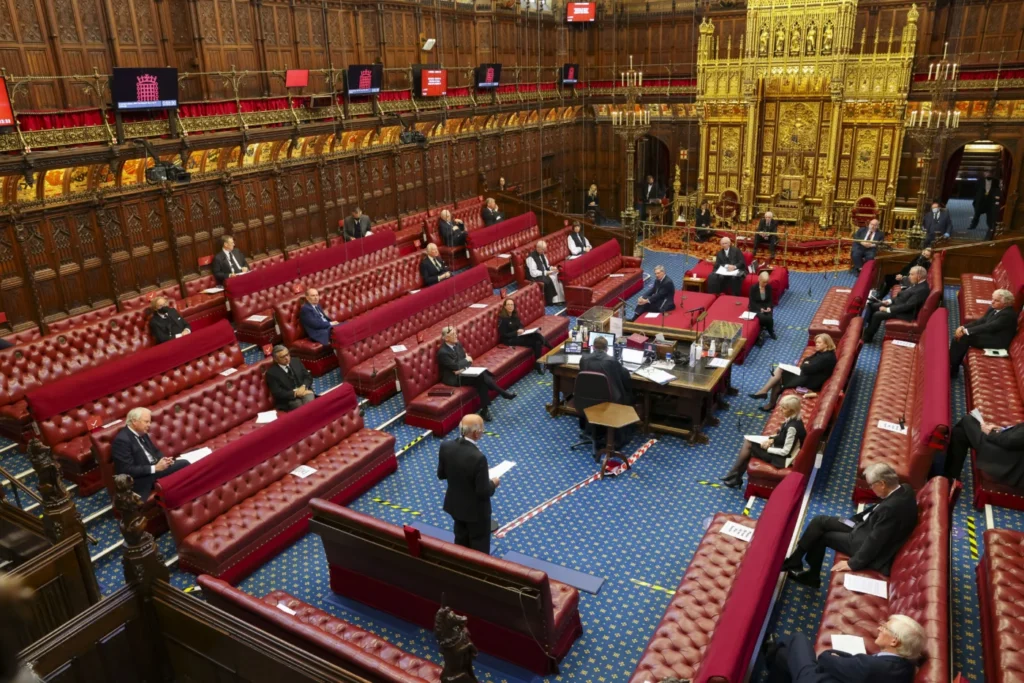
I spoke in the House of Lords on Monday about the irony of raising issues of democracy in what is now an entirely appointed chamber. My expectation when I entered the House in 1999, as a nominee of Paddy Ashdown, was that I would only serve for a few years before contesting elections for membership of the House in the promised, but never delivered, phase two of reform, promised after Tony Blair and Labour won the 1997 general election. Reform has been extremely slow I never thought that it would take 29 years to complete phase one, with the removal…
Proportional Representation Is Back on the Agenda but Which Kind?
·
·
When arguing for proportional representation in a country where voters have become used to first past the post, we hit the problem that voters expect their MP to be a good constituency MP, that is a kind of social worker who will sort out their problems if they’re unfairly treated by the state. Proportional representation can’t happen when you have seats returning one representative. Hence, under proportional representation, voters don’t get a single representative dependent exclusively on their votes – except with Additional Member Proportional, the system used in London and Scotland, they can. In London, the Assembly has 25…

Another Referendum?
·
·
The problem of asking people what they want in a referendum is that after the event, those happy with the result declare that the matter now settled and those who do not like the result then want another referendum at a later date. The problem for the Liberal Democrats is the party has held both views at the same time, following the Scottish Independence referendum and then the Brexit vote. In Scotland, the Party was happy with the result after the Independence Referendum, as the party campaigned strongly against independence, although it was estimated that 40% of Liberal Democrat voters…
The Scottish Parliament Election
·
·
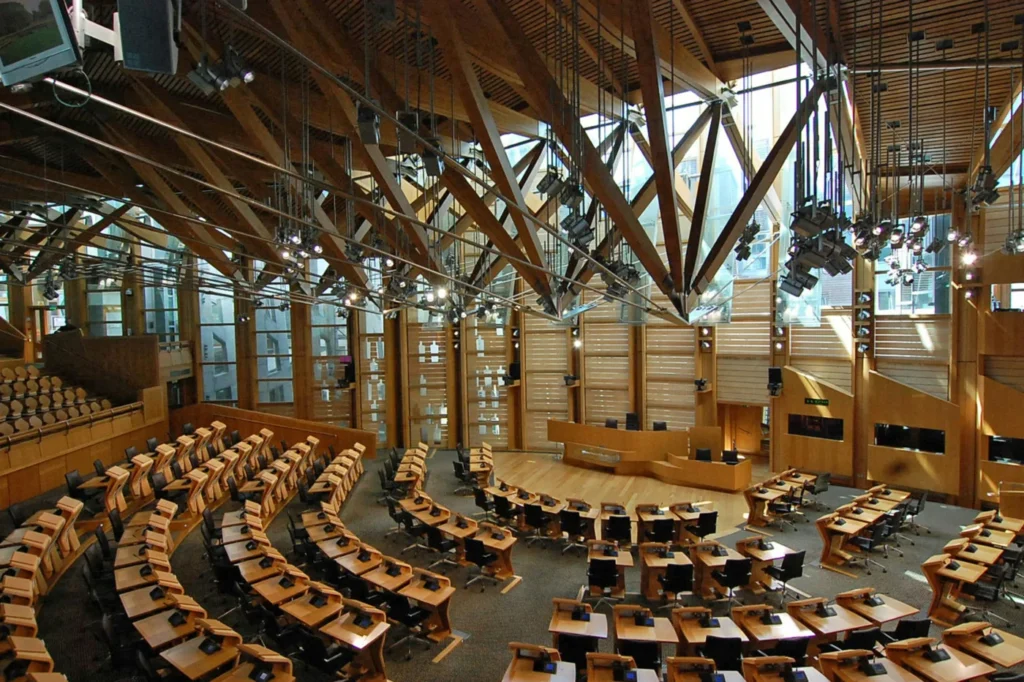
The recent elections to the Scottish Parliament saw an increase from 4 to 10 Liberal Democrat MSPs at Holyrood, compared to 58 for the SNP, 17 each for Labour and Reform, 15 Greens and 12 Conservatives. Now the sixth largest party in the Scottish Parliament, the Liberal Democrats have fallen from 17 MSPs in the first Parliament in 1999, when they entered a coalition to form the first devolved government with Labour 27 years ago. In the following two elections the Lib Dems only lost one seat. The party has celebrated this recent result as a great success, but what…