Write for us!
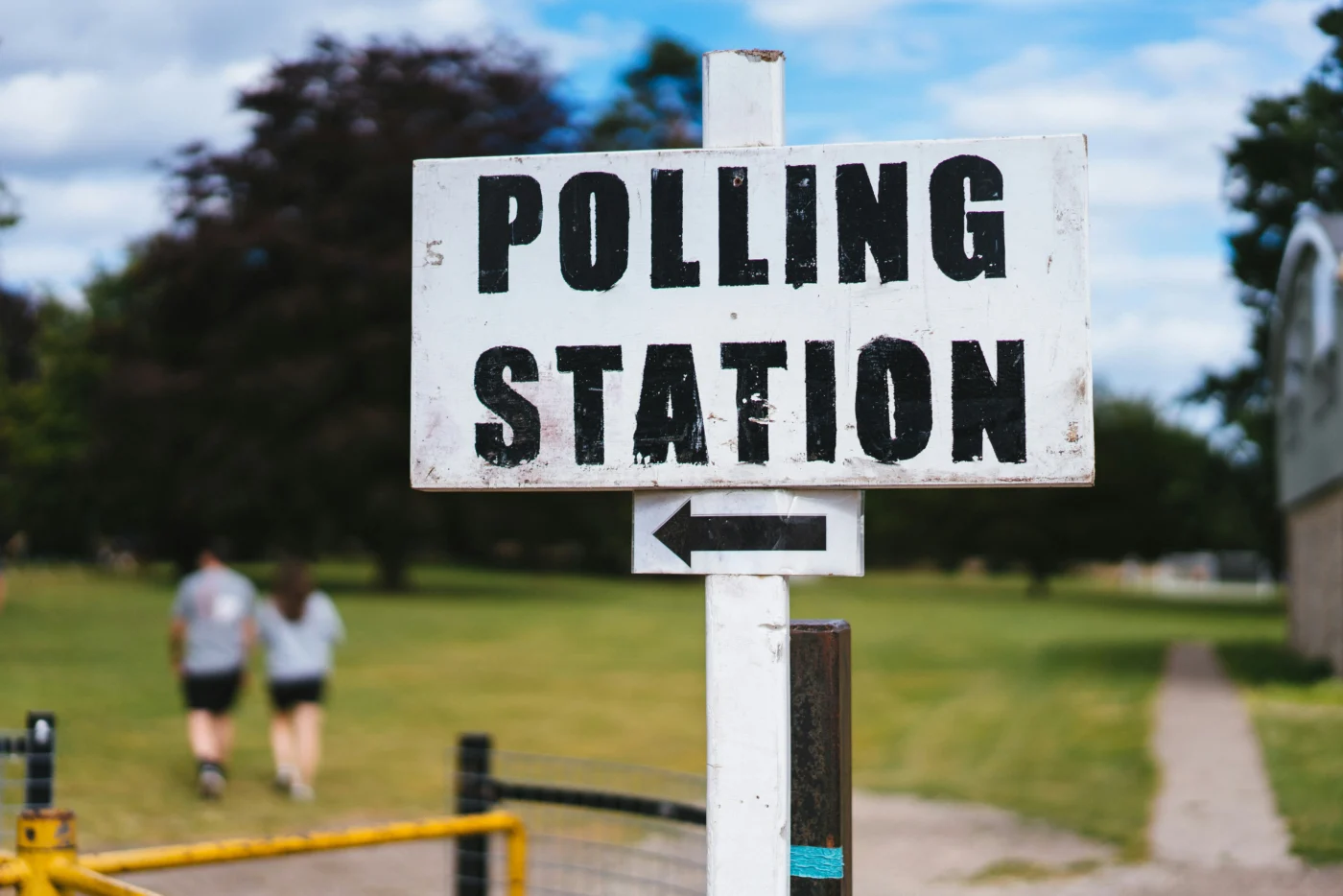
When arguing for proportional representation in a country where voters have become used to first past the post, we hit the problem that voters expect their MP to be a good constituency MP, that is a kind of social worker who will sort out their problems if they’re unfairly treated by the state. Proportional representation can’t happen when you have seats returning one representative. Hence, under proportional representation, voters don’t get a single representative dependent exclusively on their votes – except with Additional Member Proportional, the system used in London and Scotland, they can.
In London, the Assembly has 25 members. Fourteen are elected from constituencies (which are bit larger than they would be if there were 25 constituencies) and then a further 11 are added from a list, to ensure that parties get their fair share. This means that Labour, who in 2024 won all but four of the constituencies, only got one from the list because the system takes this into account when divvying up the balance. This means that the overall result is proportional, but every voter still has their own representative for their own patch. Does this mean that Additional Member is the best of both worlds?
The Achilles’ heel of the Alternative Member system
In 2020 in South Korea the two main parties, the United Future Party and the Democratic Party dominated the constituency section of the ballot, but two new subsidiary parties, the Future Korea Party, and the Platform Party contested the list section. Because they were treated as separate from their mother parties (and did not have those parties’ constituency victories deducted) the list result was dominated by their representatives, leaving only a handful of seats for genuine small parties. Proof that these were mere “decoy parties” was shown when they were quickly absorbed by the mother parties after the election. South Korea is not alone. Parties have been exploiting this loophole in mixed systems for over a hundred years.
In Britain we have not seen decoy parties. Any attempt to register such a party would almost certainly fail, yet we have already seen a party that tried to exploit this loophole.
Scotland, Alba and the SNP
Alba was a genuine split from the SNP but its messaging under Kenny MacAskill was that by voting Alba instead of SNP, the independence vote would be maximised. The SNP would win most constituency seats anyway, so that they would be excluded from list seats. Meanwhile, the Alba vote in the top up list section would bolster the independence movement as a whole. Voters were unimpressed, and Alba ended with huge debts. A demonstration of the good sense of Scottish voters who rejected Alba’s attempt to game the system?
The Greens benefit
But look at the vote for the Greens (2.3% constituency, 14.0% list) and SNP (38.2% constituency, 27.2% list). Stormy as Green-SNP relations can be, the Greens were already fulfilling the role that Alba wished to fulfill. It is true that the Greens are not content to play the role of a decoy party and have started to put a real effort into winning constituencies, winning two. This is not what decoy parties are supposed to do. Those two gains were a loss to the SNP, but they didn’t mean a gain for the Greens because those wins were deducted from their list allocation, leaving them square overall. Those two Green gains were a net loss for the independence camp. If a party can roll, Alba must be rolling in its grave.
However, the Greens still contest very few constituencies. Overall, they fulfill the role of a decoy party well. This is reflected in the Unionist-Independence split in the Scottish Parliament. On the list, the independence parties got 41.1% of votes, the unionists got 53.84% – a clear unionist majority. However, this result was flipped in the overall numbers of MSPs, which worked out at 73 independence and 56 unionists. As a proportional representation system, the elections failed to reflect the key division in Scottish politics – whether to remain in the United Kingdom. And people are going to notice this failure because John Swinney will probably use that majority to demand a new referendum on independence.
The alternative
On the face of it, single transferable vote (STV) removes the MP – constituency link that British voters value. Opponents of STV complain that combining five of our current constituencies into a single STV constituency would make MPs “too remote”. The Irish experience refutes this. The concern of Irish parliament members (Teachta Dála – TDs) to serve their constituency puts British MPs in the shade. There are two reasons for this. First, TDs are competing with members of their own party – if the party wins a single seat, candidates who haven’t secured enough first preferences are out. Secondly, if a TD helps out a constituent who always votes for another party, they can benefit by being ranked immediately after all the members of the first-choice party. These vote-transfers may be enough to get over the line.
Christmas is getting closer for Labour turkeys
The saying goes that we will never get proportional representation because turkeys don’t vote for Christmas. But Labour MPs now face the possibility of Reform getting a majority with maybe 26% of the vote while most of them losing their seats. For Labour MPs now, proportional representation isn’t Christmas – it’s 2029 under First Past the Post.
Size matters
The Liberal Democrats need to persuade the Labour Party that STV is the best choice but there’s a catch. Proponents of STV often suggest that urban seats could return five members, but that rural seats would need to be smaller, perhaps comprising three or less. This would discredit STV in Labour’s eyes with good reason. It would make areas where Labour is strongest the most proportional – enabling Conservatives and Reform to squeeze in as well. By contrast, in areas where Labour is weak, small constituencies (which would be less proportional) would squeeze Labour out. We need to be very clear that an STV House of Commons needs to have five member constituencies everywhere.