Write for us!
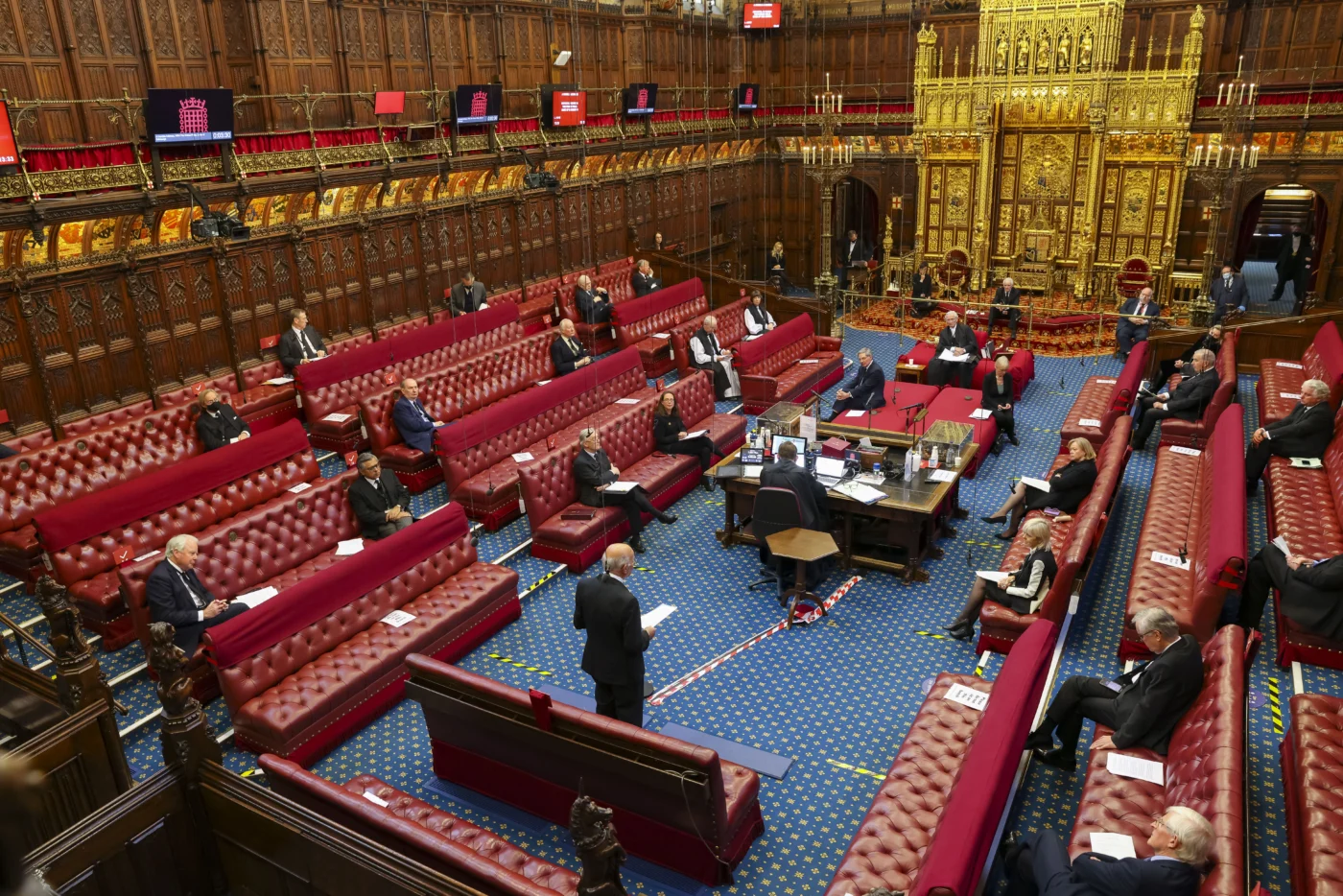
I spoke in the House of Lords on Monday about the irony of raising issues of democracy in what is now an entirely appointed chamber. My expectation when I entered the House in 1999, as a nominee of Paddy Ashdown, was that I would only serve for a few years before contesting elections for membership of the House in the promised, but never delivered, phase two of reform, promised after Tony Blair and Labour won the 1997 general election.
Reform has been extremely slow
I never thought that it would take 29 years to complete phase one, with the removal of the right to sit of hereditary peers. This was only one hundred and fifteen years since the preamble to the Parliament Act of 1911, introduced by Asquith’s Liberal Government, made reforms to the powers of the House pending its reform into a body “constituted on a popular instead of a hereditary basis”.
Of course, democracy is not perfect. It is claimed, probably wrongly, that Winston Churchill said that “the best argument against democracy is a five-minute conversation with the average voter.” I quoted his 1947 comment in my speech when he said that “no one pretends that democracy is perfect or all-wise. Indeed, it has been said that democracy is the worst form of Government except for all those other forms that have been tried from time to time.”
Modest steps towards democracy never happened
I argued that letting people use ballot papers to choose at least a majority of those of us who sit in the second chamber of Parliament, as opposed to relying largely on the whims of Prime Ministers and Party Leaders, would strengthen the role of an elected second chamber and help to improve what it does.
It would avoid the accusations of cronyism that affects the reputation of the House, reduce the number of scandals concerning party finances, and prevent the prospect of peerages being bestowed or blocked as a means of persuading potential appointees to toe a particular line, switch party support, or open a cheque book.
Too many appointments have been made to make people Ministers who then give up on the job after only a short while whilst remaining members of this place for life, or of people who want the title but then complain about having to do things like vote on legislation and who quickly disappear after a maiden speech never to be seen again.
Private Members’ bills should receive more parliamentary time
An immediate reform I argued for would be to block the filibuster in relation to Private Members’ Bills. The only reason that it took twenty-seven years to end the temporary gentlemen’s agreement allowing for the holding by-elections to replace departing hereditary peers was the organised filibuster by a very small number of them debating hundreds of very similar amendments. I sat through all the debates in recent years on this, leading for the Lib Dems on the Bills to bring an end to those by-elections. It was obvious that the clear will of the House on that issue was unfairly blocked. So, it was with the Assisted Dying Bill where it was made impossible to return the Bill to the Commons for it to consider further.
Our Parliament is very weak compared to many other legislatures in allowing members to propose legislation and see it agreed and then enacted. Such proposals can hardly ever succeed unless they have considerable government support providing parliamentary time for them. I want to see a strengthening of the powers of members in both Chambers to propose legislation. In the House of Lords, the absence of a government majority would make it impossible for any Government to control the timetable agreed by members. I am strongly opposed, however, to introducing timetables for government legislation.
Scrutiny is essential and is not the forte of the Commons
People would be shocked if they understood how the use of timetables in the Commons prevents much of the meaningful scrutiny that should be applied to legislation taking place in the elected chamber. MPs protesting about this are told not to worry, just vote it through, and it will all be sorted out in the House of Lords.
I think that the second chamber should be prepared to use the powers provided to it in the Parliament Acts. We need to use them to seek to strengthen legislation seeking to safeguard democratic principles.
Action on political donations is essential
The biggest failures in the current Representation of the People Bill are that it does not provide for a cap on the size of donations to a political party and nor does it bring back down the spending limits for political parties in a general election.
This means that extremely wealthy donors can effectively buy a political party, purchase a party Leader, and change the outcome of a general election with reported one-million-pound payments to two party leaders to make them enter into an electoral pact.
We need to do three things. We need to put a cap on the size of any one donation in any one year, I suggest that the limit be proposed by the Electoral Commission, but donations such as Frank Hester’s to the Conservative Party of £20million, and those of Christopher Harborne perhaps up to £30million to the various iterations of the Reform Party and its Leader, must be absolutely unacceptable.
Secondly, we need to reverse the 80% increase in party expenditure limits introduced as a desperate measure by the last Government seeking unsuccessfully to buy its re-election. The last general election was the most expensive ever and we need to ensure that millions of voters matter more than millions of pounds.
And thirdly, we need a much lower cap on donations from overseas electors than is proposed. Under the Bill, a couple could give £200,000 in a year, or a million pounds over five years. A major problem is that extremely difficult to check on the original sources of funding when they come from abroad. Donations to parties from overseas electors increased by a staggering 15,000% in the last five years from less than £79,544 in 2021 to over £12,340,000 in 2025. The annual limit for such donations should perhaps be £10,000 in a year.
Featured image copyright House of Lords 2021 / Photography by Roger Harris. Licensed under the Creative Commons Attribution 2.0 Generic license.