Write for us!
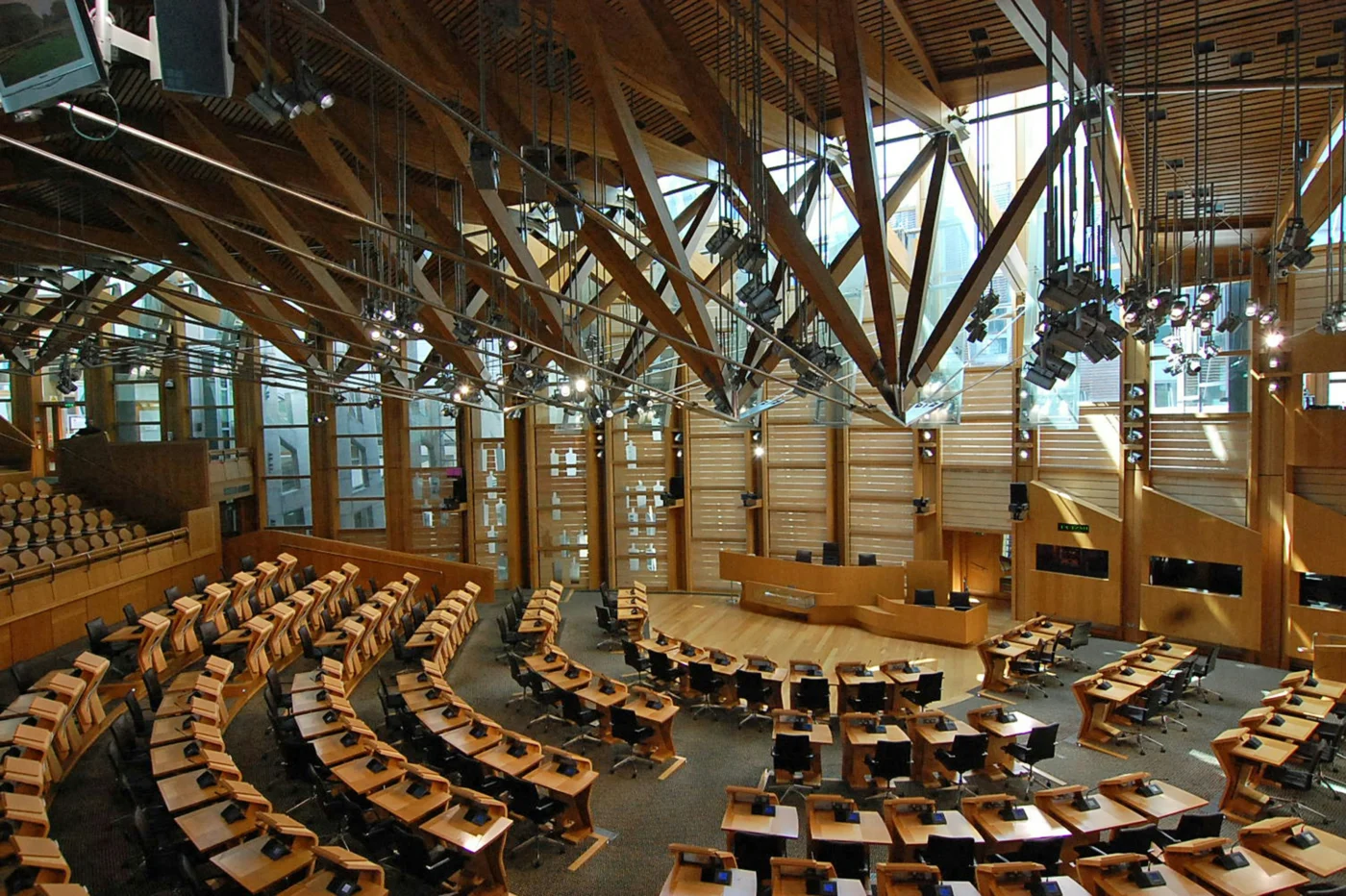
The recent elections to the Scottish Parliament saw an increase from 4 to 10 Liberal Democrat MSPs at Holyrood, compared to 58 for the SNP, 17 each for Labour and Reform, 15 Greens and 12 Conservatives.
Now the sixth largest party in the Scottish Parliament, the Liberal Democrats have fallen from 17 MSPs in the first Parliament in 1999, when they entered a coalition to form the first devolved government with Labour 27 years ago. In the following two elections the Lib Dems only lost one seat. The party has celebrated this recent result as a great success, but what has actually happened north of the border?
Proportionality struggles with six parties
One problem is that even with additional list members in the Parliament, the electoral system does not deliver a truly proportional result when there are six established parties. The SNP have “swept to power” as the media have repeated, on roughly one third of the vote on a 53% turnout and regularly claim the result is a mandate for independence, as between the SNP and Greens, there is now a majority of pro-independence MSPs in the Scottish Parliament. However, that “mandate”, i.e. the combined SNP/Green vote, was achieved by securing only 41% of the total vote – a mere 22% of the entire Scottish electorate.
The Lib-Dem result was a significant step forward, with the exception of the loss of Shetland for the first time since the establishment of the Scottish Parliament. Targeting key seats was at the heart of that success, but it comes at a price with 26 Liberal Democrats having lost their deposits.
Opportunities for opposition parties remain
Ever the optimist, Alex Cole Hamilton described the results as “incredible”, in reality they leave the party as the 6th largest party in the Parliament, but they are a small step in the right direction and they will also give him an opportunity to deliver some Liberal priorities in the months ahead, as the SNP will require support from opposition parties to get their budget through the Parliament.
John Barrett is former Edinburgh City Councillor and MP for Edinburgh West.