Write for us!
Op-eds
Opinion and commentary on UK politics and Liberal Democrat ideas.

Agriculture and Rural Affairs in the 21st Century: A Blueprint for Sustainability

·
·
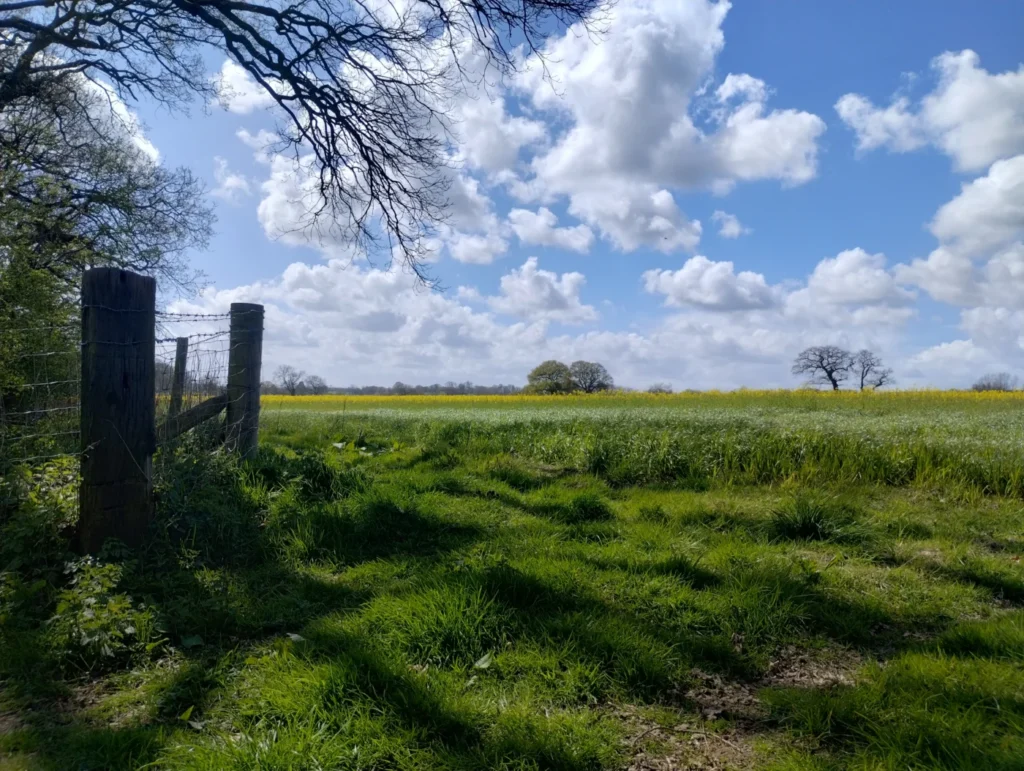
To say that the farming community across the UK has had a challenging time in recent years, would be an understatement. Everything from Brexit to the increasing cost of operating expenses like fertiliser and fuel, to reforms made by Labour to Inheritance Tax, have all massively impacted farmers. The result has been that around 20% of all farms in the UK have ceased to exist over the last decade. I believe that three reforms could begin to address some of the problems that farmers have faced and these could also help us to move towards a more sustainable method of…

Scottish Independence: A Second Bite of the Cherry or a More Fruitful Pursuit?
·
·
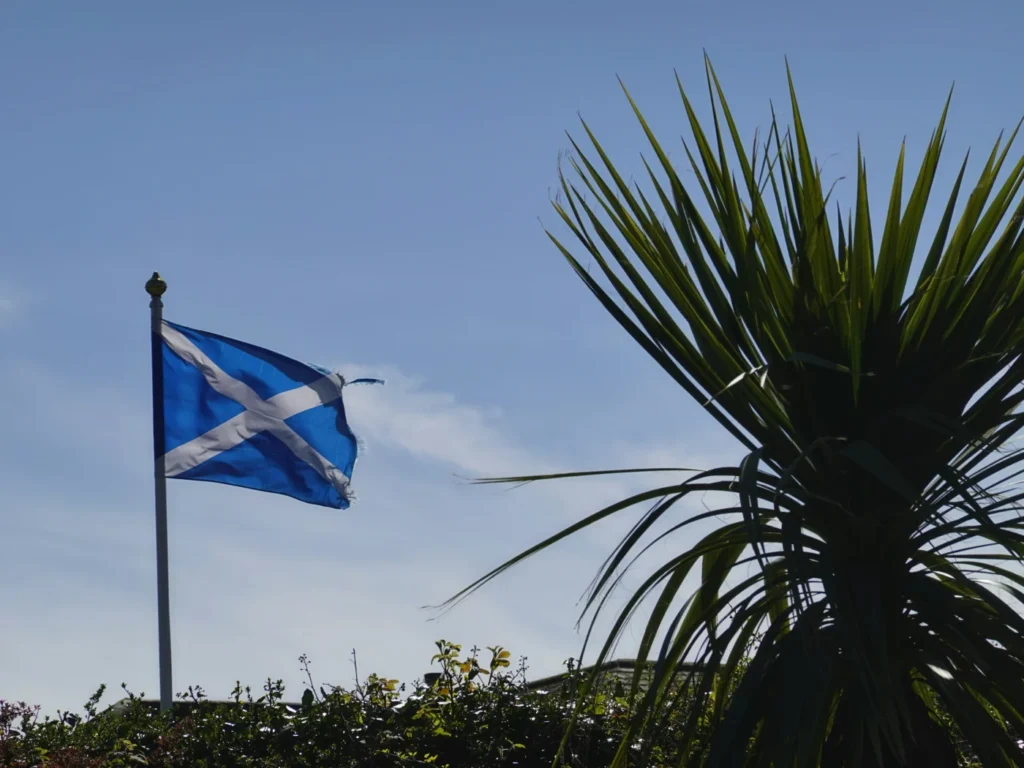
I voted Remain in the 2014 Scottish independence referendum. Since then, I have come to the conclusion that I was young and naïve back then and didn’t completely understand all the arguments. I most likely voted ‘no’ for sentimental reasons: my heart felt more attached to being part of the UK, than Scotland per se. Fast-forward to today and obviously being a lot more mature and educated on the debate surrounding Scottish Independence, I am still content that I would vote Remain again on the grounds that I don’t believe that the SNP’s argument for Independence is persuasive enough to…

Employment Law in the 21st Century: Getting the Balance Right
·
·
Employment law has become a controversial subject in recent times, following the passage of Labour’s Employment Rights Act of 2025 and its impact on businesses, particularly small and medium sized enterprises (SMEs). It has been criticised for including provisions that amount to a stealth tax on workers. I have three suggestions that might tackle this problem. The Employment Rights Act 2025 at a glance The Employment Rights Act 2025 is the initial phase of the Labour Government’s Plan to ‘Make Work Pay’. The bill was introduced in the House of Commons on 10 October 2024 and received Royal Assent on…
The Case for Climate Leadership
·
·
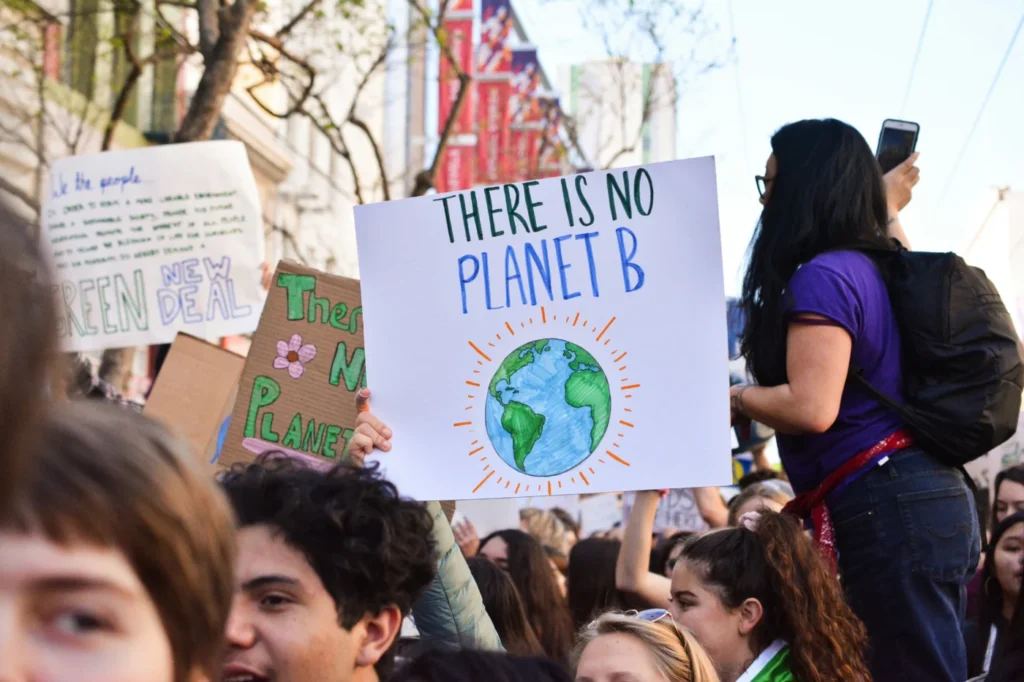
It won’t be news to anyone currently in the UK that we’re experiencing an extreme heatwave. I’m typing this article in the middle of the afternoon, with all curtains closed just to keep the sun out in the hope the house will stay cool enough to work in. A choir I attend has been cancelled because of the heat. My local rail company, ‘southeastern’, has issued an ‘avoid non-essential travel’ alert, again because of the heat. Extreme heat Extreme heat has even worse consequences: In July 2022, when temperatures in London hit 40C, 41 homes around London were destroyed by…
Identity Is a Human Right
·
·
Let’s stop dancing around the issue: yes, we have a vestigial biology, but what actually defines us is language. We live in a world created by language and it is in that world we must find our authentic selves. It’s the key thing that is essential for living a full, normal life. Gender Identity is what our true selves are – something we need to get in touch with because what matters is the recognition that it gives us in society. Luke Easley, of Center for Global Development (CDC), hit the nail on the head when he said, “Identity is…

Why I No Longer Wear a Poppy
·
·
My father served in the RAF, reaching Senior Warrant Officer level. My brother gave thirty years leaving with the rank of NCO. Between them, they accumulated almost half a century of service to this country. When they needed support in later life, they left with navigating the casework systems of SSAFA and the Royal British Legion, filling in forms, waiting for assessments, proving their need to charity volunteers. This is what the military covenant looks like in practice, for most of those who actually served. I no longer wear a poppy. I want to explain why, because the decision is…
Thoughts From the Woods
·
·
I live near a beautiful park. When the weather permits, I put on my shoes and run up along a path through the trees, and turn left onto the track that winds through the recently planted Foresters’ Memorial Wood. It’s a lovely spot. The Foresters were people from Commonwealth countries who answered the call during the Second World War to cross an ocean and help Britain and the Allies in the struggle against the Nazis. Everyone did what they could We needed them. With so many able-bodied men sent away to fight there was a requirement for labour in the forests…

A Liberal Approach to Healthcare in the 21st Century: Prevention Is Better Than Cure
·
·
The debate around healthcare in the UK is too often polarised between those who advocate for a US style system (private healthcare that is determined by the ability to pay, whether through insurance, income or state support) versus the UK model (the publicly funded NHS, free at the point of use). Some argue for a hybrid of both, otherwise known as the ‘social-insurance model’ or the ‘Bismarck model’ (a health care system financed through compulsory, income-related contributions paid by employers and employees). However, regardless of the delivery system, the debate often misses a crucial aspect of healthcare which is rarely…
Breaking the Silence: Liberalism or Orthodoxy in the Lib Dem Gender Debate?
·
·
In February 2025, Liberal Voice for Women settled its legal case with the Liberal Democrats, securing equal treatment for members who believe that biological sex is real and matters – often described as “gender critical” or “sex-realist” views. The settlement meant that we could finally book conference stands, organise fringe meetings, and in theory, participate in party life on the same basis as other members. Rather than improving our legitimacy though, this led to a simmering resentment amongst radical trans activists in the party who said we had “legally forced” the party to acquiesce to our requests. This was deemed…
Politicians and the Media Need to End Their Obsession With Cutting Welfare
·
·
There is a familiar rhythm to British political life. An election looms, a budget falls short, and within days the headlines arrive like clockwork. Benefit claimants. Welfare bills. The “unsustainable” cost of supporting the poorest people in one of the world’s largest economies. Ministers queue up to talk tough. Editors reach for the same dog-eared playbook. And the cycle continues, largely unchallenged, while the real economic failures that underpin Britain’s stagnation go quietly unexamined. It is time to name this for what it is. The political and media obsession with welfare cuts is not serious economic policy. It is a…
Double Standards Make Bad Law
·
·
This is an examination of Nigel Farage’s incendiary rhetoric, the law of incitement and why establishment figures bleating about “two-tier justice” may be both its greatest beneficiaries and biggest hypocrites. The Phrase that preceded a riot On 2 June 2026, Nigel Farage, a millionaire former public schoolboy and establishment insider, now Reform UK leader, and Member of Parliament for Clacton, posted a video to social media calling on the British public to respond to the death of Henry Nowak with “pure cold rage.” Within hours, hundreds of people rioted in Southampton. Riot police were pelted with bricks, rocks, flares and chairs. Eleven…
A Liberal Approach to Education in the 21st Century: Recapturing the Concept of a Public Good
·
·
Despite being an ardent proponent of the free market, largely because of my classical liberal principles, there are some things that I believe should still be treated as a public good: one of these is education. In recent years, especially under Conservative Education Secretary Michael Gove, reforms have leaned towards privatisation and marketisation, in the form of Academies and Free-Schools. Gove envisioned that these would have far reaching effects beyond the UK and that England’s school leavers would become world-leaders in qualifications, marching up the international comparison tables. He argued that education under New Labour had deteriorated because of dumbing…

Liberal Democrats – It’s Time to Campaign for What We Believe In – Amend the Equality Act and Remove Sex as a Protected Characteristic
·
·
Editor’s note: This article was submitted anonymously. George Cooper is a pseudonym. He informed me that the article was previously submitted to another Liberal Democrat supporting website but he was told that it would not be published if he did not reveal his name. He is unable to do this. After reading the article, I decided to publish it in the interest of open debate. At Liberal Voices we aim to showcase all strands of opinion in the party. It could be argued that the views in the article are close to reductio ad absurdum. That is for you to…
Immigration in the 21st Century: A Fair and Humane Approach
·
·
In recent years, the debate on immigration in the UK has been plagued by the following issues: its alleged impact on public services due it being ‘too high’, the daily illegal boat crossings and the most contentious issue of them all, arguments that detention seekers are afforded too much protection by international human rights law – which guarantees the right to liberty and prohibits arbitrary arrest. Consecutive governments most notably, the recent Conservative one, have talked tough on immigration without reducing overall numbers, or explaining clearly how they are made up (prime example – on average 35% of immigrants, are…

Liberal Democrats Need to Stop Their Obsession With ‘Trans Rights’
·
·
I’m a middle-aged man and I have a confession. I’d really like to be younger. And I feel young too. I’m very active. I exercise regularly – at levels that very few older people do. I’m in the small minority of middle-aged men in the UK who isn’t overweight. Go me! Now suppose I decided on those grounds that I will henceforth self-identify as a teenager, and on that basis I demanded access to youth clubs, a place on LibDem quotas reserved for young people, and so on? And suppose I also demanded that everyone should be obliged to treat…

The case of May 2026: Oil and Gas Exploration vs. Climate Change Mitigation
·
·
Most people are well-aware of Reform UK’s energy policy, which is to put it bluntly, drill-baby-drill. The public may be less aware of the Conservative Party’s slide in recent years, from following the general consensus on net zero to being the voice of fossil fuel lobbyists. Kemi Badenoch and her ministers regularly appear on broadcasting media promoting the maxxing out of North Sea oil licences. The reality of climate change and the need for mitigations is rarely mentioned in these presentations. In fact, the Conservatives have received significant donations from oil and gas investors, and in January 2025 were in…

The New EHRC Code Demonstrates Why Sex‑Based Laws Need a Root‑and‑Branch Review
·
·
Ed Davey, Leader of the Liberal Democrats, and Marie Goldman, the Liberal Democrat Spokesperson for Women and Equalities, have recently written to Bridget Phillipson protesting the publication of the EHRC’s new Code of Practice for the Equality Act 2010 and declaring it not fit for purpose. Quite how balanced the evidence base was in reaching this conclusion is unclear. Nevertheless, their letter calls for the need for post-legislative scrutiny of the Gender Recognition Act and the Equality Act by a cross-party committee, “Taking evidence from all communities who have been impacted.” It suggests that the purpose of this is to…
Clarity: Not Erasure
·
·
What has actually happened The Supreme Court did not remove rights from trans people. It clarified which legal characteristic protects which interest. The Equality Act 2010 contains nine protected characteristics. Two of them are relevant here: sex and gender reassignment. For years, ambiguity existed about how these interacted – particularly whether a trans woman (i.e. a man) with a Gender Recognition Certificate should be treated as a woman for every purpose under the Act, including access to single-sex services. The Supreme Court, unanimously, said no: for the purposes of the Act, “sex” means biological sex. A GRC does not alter that…
A Liberal Approach to Our Broken Energy Policies: Fantasy vs. Reality of Net Zero 2050
·
·
Ever since the Climate Change Act 2008 was first passed, we have seen an ideological obsession with Net Zero 2050 to the detriment of both the public purse and the supply of our energy. I contend that the obsession with Net Zero at any cost, has had a severe impact on both our economy and our source of energy and I will spell out the course of action that should have been taken over the last twenty years or so. This is a strategy we can still pivot towards as we move towards to 2050. Net Zero – an unhealthy…

Thought‑Terminating Clichés Are the New Normal
·
·
Over the past week I have spent some time on Blue Sky. Partly because this is where a lot of Lib Dem MPs are now posting and I wanted to read their reactions to the EHRC guidance (in summary they have been largely silent except for the Women and Equalities spokesperson who condemned it as a huge step back for human rights – which I disagree with). However, I ended up in several conversations with trans activists on the app who are making the same kind of arguments that failed on Twitter (X) three years ago. One of the key…

Welfare in the 21st Century: From Hand Down to Hand Up
·
·
The total welfare bill in the UK, has risen from approximately £100 billion in the early noughties, to £333.6 billion in 2025-26, a more than a threefold increase in just over twenty years, It now comprises 10% of our total GDP. It is expected to hit £400 billion by the end of the decade, according to a recent report by the Centre for Policy Studies. This unsustainable growth in welfare spending needs tackling. In this article, I am going to advocate a welfare system which is simpler, fairer and ensures that working pays better than welfare dependency. Simplification Currently there…
Where Are All the Women?
·
·
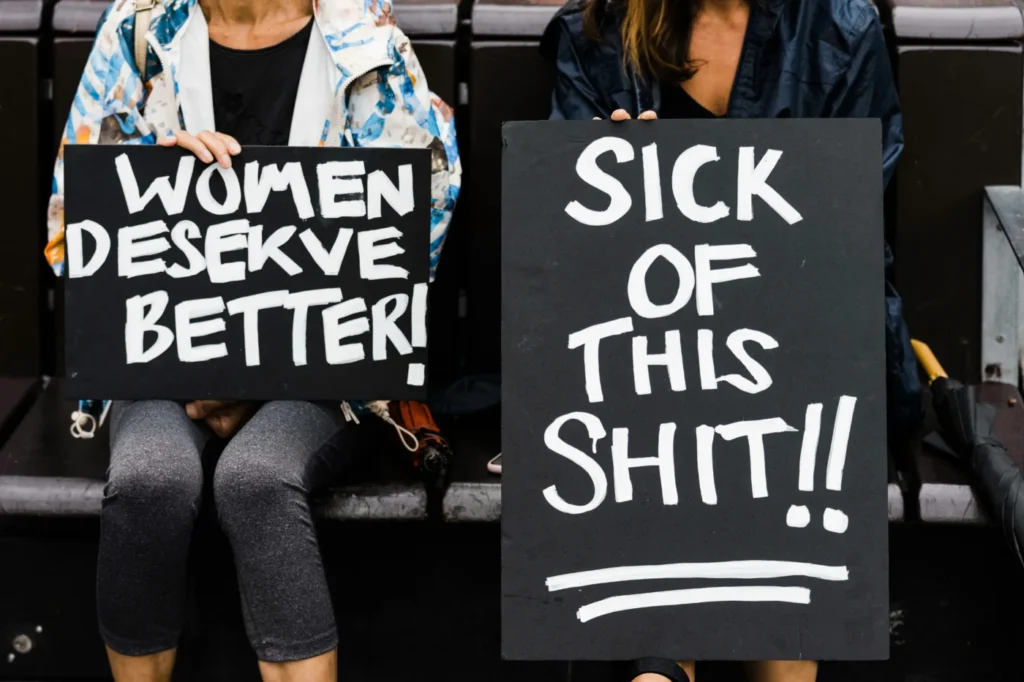
In most political Parties in the UK, men outnumber women, but in the Liberal Democrats the ratio of men to women is particularly bleak, worse even than Reform. Research published in December 2025 makes sobering reading for the Party: 33% of Lib Dem members are female, 39% of Reform members, and women’s membership of other Parties is much higher. Obviously our deputy leader and several of our MPs are women, and our one successful candidate in the Welsh Senedd election is a woman. But this success masks a growing crisis in female involvement in the Party at all levels. The…

Comment Is Free – if You Know Where to Look
·
·
Censorship is central to the mission of LibDemVoice, the long established “independent” party platform. Its moderators guard their single interpretation of the party’s vision with passion. Opinions that question their beliefs and views from members who suffer from independent thought do not sully their website. This has become such a problem that many members no longer read its articles and those who do rarely attempt to respond, because they know that their contributions will end up in the bin. It was John Stuart Mill who famously wrote: “He who knows only his own side of the case knows little of…
A Liberal Approach to Solving the Housing Crisis: A Free‑Market Solution
·
·
The housing crisis in the UK has become characterised by a severe shortage of supply, record homelessness and soaring rents. Consecutive governments (both Labour and Conservative) have failed to solve many of the issues due to a lack of concerted effort to analyse beyond the headline issues and come up with solutions which favour the free market – this is precisely what aim to do in this article. I will be focusing on three of these deeper issues: Planning restrictions Planning restrictions severely constrain housing supply, creating structural deficits that drive up property prices. In the UK, restrictive land designations…
A Track Less Discovered: A Novel Approach to Railways in the 21st Century
·
·
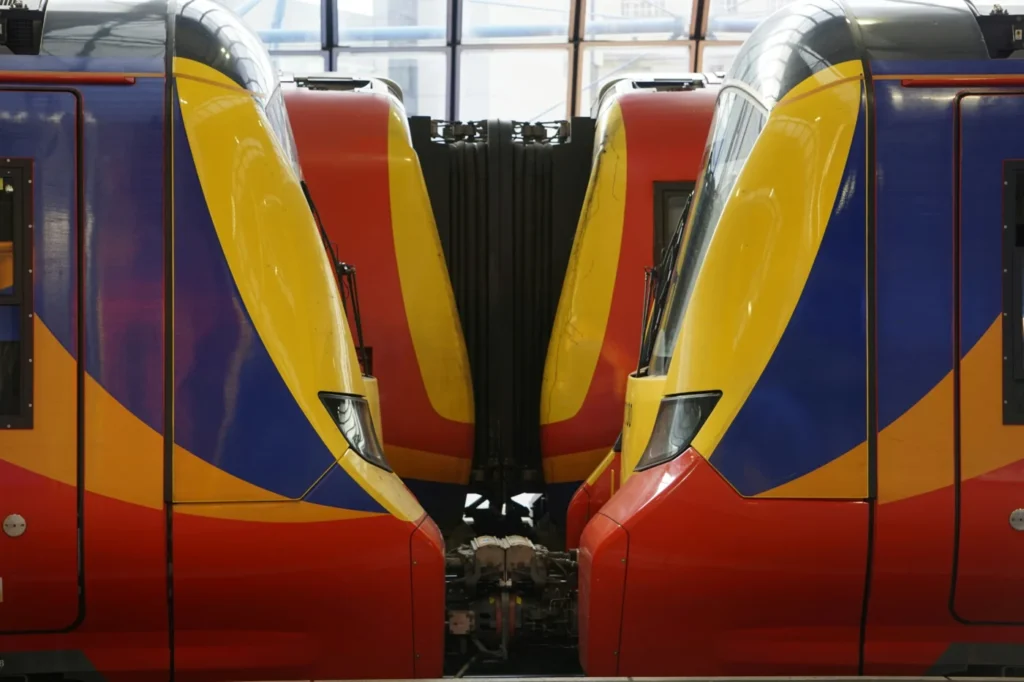
The Labour Government’s latest attempt at reforming railways in Britain by bringing them back into public ownership, without actually spelling out in detail how this will work in relation to the Great British Railways project, suggests a lack of imagination on the part of the government. It’s time we moved beyond the complication of having a rail franchising system operating within a state-owned railway structure. Britain can and should be more ambitious and therefore opt instead for ‘Open Access Rail’ throughout the system. The bankrupt Rail Franchising System Ever since the inception of rail privatisation in 1996 under John Major’s…
Speaking About Democracy in the House of Lords
·
·
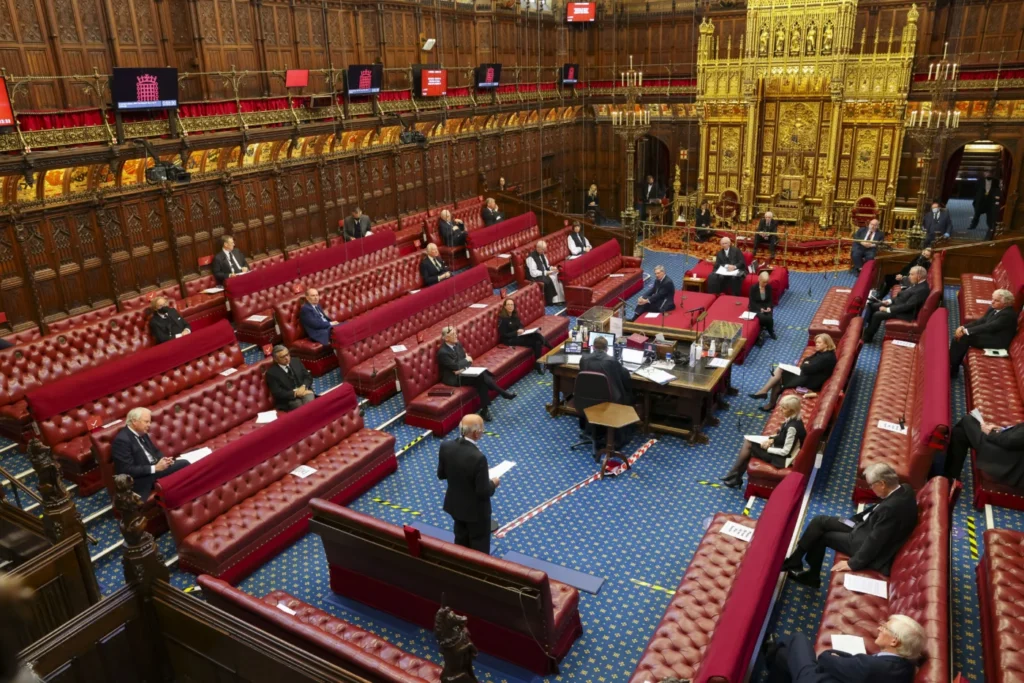
I spoke in the House of Lords on Monday about the irony of raising issues of democracy in what is now an entirely appointed chamber. My expectation when I entered the House in 1999, as a nominee of Paddy Ashdown, was that I would only serve for a few years before contesting elections for membership of the House in the promised, but never delivered, phase two of reform, promised after Tony Blair and Labour won the 1997 general election. Reform has been extremely slow I never thought that it would take 29 years to complete phase one, with the removal…
The Death of Local Democracy: How English Planning Reform Is Silencing Communities (and Why Almost Nobody in Power Seems to Mind)
·
·
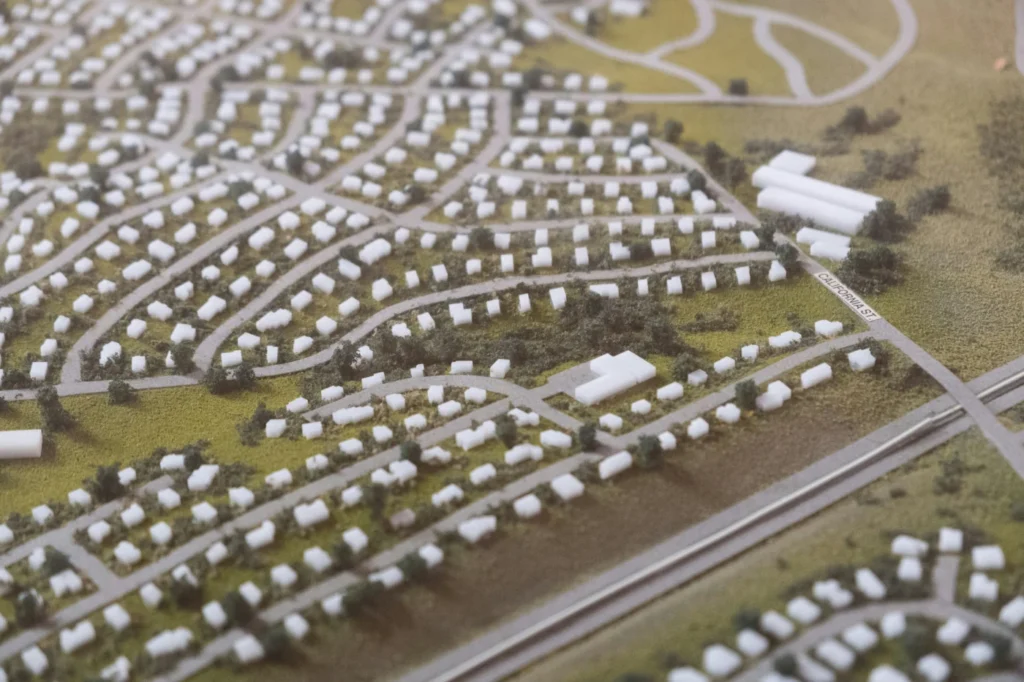
There is a particular kind of political sleight of hand that works best when performed quietly. Not in the dead of night, not through scandal, but through the patient accumulation of technical changes – each one framed as modernisation, each one a little harder to object to than the last, and each one moving power incrementally away from the people who are most affected by decisions and toward those who have the most to gain from making them. The Planning and Infrastructure Act 2025 is one of the most significant examples of this in a generation. It received Royal Assent…

Who Gets Heard? Why British Governments Listen to Business — and What It Costs the Rest of Us
·
·
Earlier this month, the government quietly closed one of the more brazen rackets in modern British public life. For years, bots and third-party companies had been bulk-buying driving test slots from the DVSA and reselling them to desperate learner drivers for up to £500 eight times the official price of £62. New rules now mean only the learner themselves can book, change or cancel their test. Simple. Effective. Long overdue. But here’s the question worth sitting with: why did it take so long? This wasn’t a hidden problem. The Driving and Vehicle Standards Agency knew. Ministers knew. The waiting lists…
The Electorate Fragments. What Does This Mean for the LibDems?
·
·
There has been some soul searching in the party based on recent results. Before getting into that it is clear the electorate has fragmented, and in such a multi-party model the ceiling any party can reach will be lower than before. And the floor will also be lower as alternatives exist. Therefore, as a party, our expectations need to shift. Are our core values persuasive? But it feels like our party has no distinctive vision for change in the country. Our values include: Equality, Democracy, Community, Human Rights, Internationalism, Environmentalism. Many of those can be seen as the status quo,…
Another Referendum?
·
·
The problem of asking people what they want in a referendum is that after the event, those happy with the result declare that the matter now settled and those who do not like the result then want another referendum at a later date. The problem for the Liberal Democrats is the party has held both views at the same time, following the Scottish Independence referendum and then the Brexit vote. In Scotland, the Party was happy with the result after the Independence Referendum, as the party campaigned strongly against independence, although it was estimated that 40% of Liberal Democrat voters…