Write for us!
Social democracy

Why Game Theory Is Breaking Britain – but Could Also Save It

·
·
Game Theory examines when and why people choose to cooperate or compete. Its central insight is that our decisions are shaped not only by what we want, but by what we expect others to do. Well known game theory scenarios include the Prisoner’s dilemma, the Cold War, and on a simpler scale, even Rock, Paper, Scissors. An important aspect of Game Theory relates to whether and why we choose to cooperate or compete. Researchers found that the success of either strategy is dependent on how others in the system behave, and that people instinctively know this. Our decision-making routinely includes…
The Electorate Fragments. What Does This Mean for the LibDems?
·
·
There has been some soul searching in the party based on recent results. Before getting into that it is clear the electorate has fragmented, and in such a multi-party model the ceiling any party can reach will be lower than before. And the floor will also be lower as alternatives exist. Therefore, as a party, our expectations need to shift. Are our core values persuasive? But it feels like our party has no distinctive vision for change in the country. Our values include: Equality, Democracy, Community, Human Rights, Internationalism, Environmentalism. Many of those can be seen as the status quo,…

A Liberal Approach to the State: A Twenty‑First Century Concept of the State’s Role
·
·
Historically, liberals viewed the state with caution and perhaps even indifference. Classical Liberals (like me), argued for a state which is restricted by a codified constitution, separation of powers and respect for the rule of law. Ultimately, the state is there to serve the interest of individuals, not to control them. However, this concept of the state is restricted to a somewhat archaic way of thinking that emerged out of the enlightenment period of the 17th and 18th century, most notably from thinkers such as John Locke. However, over three hundred years later and with the incredible advancement of technology…
When Will the Party Give the Electorate a Reason to Vote for Us?
·
·
Before the party gets too self-congratulatory (i.e. ‘eight years of gains’), a reminder. In the 48 years since the start of the Thatcher era there have been only eight in which the estimated national vote of the LibDems in local council elections has been lower than in 2026 (and that is if we accept the upper estimate of 16% rather than the lower one, 14%, in which case the number of years is four). Two of those years were 1979 (14%) and 1980 (13%). The worst run was between 2012 and 2016 when the estimated proportions of the national polls…

The French Revolution and Human Rights – Early Steps Toward Modern Liberalism
·
·
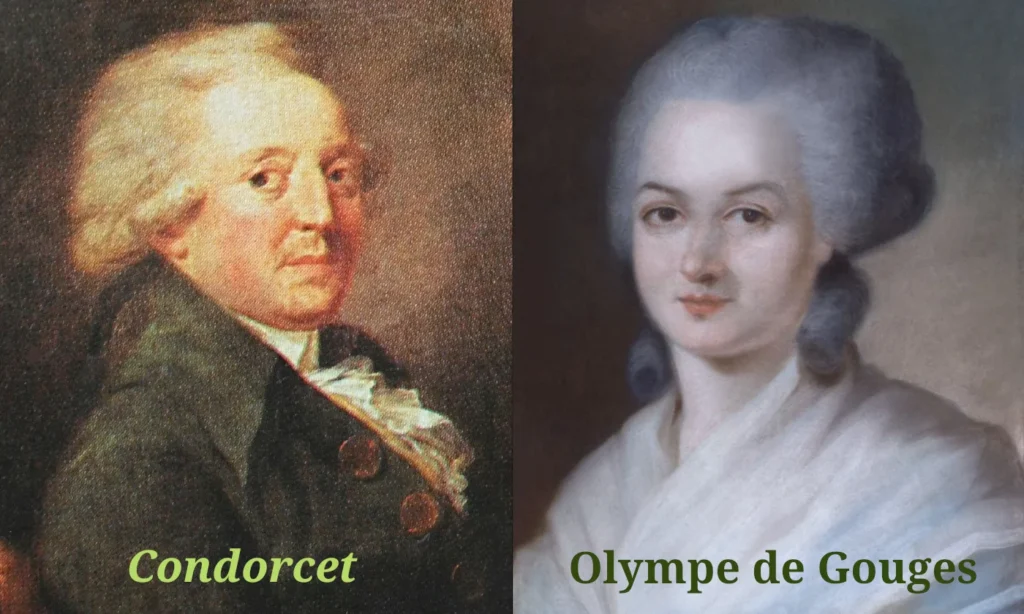
The impression most people have of the French Revolution is a one of sensible moderates who were overcome by the radical extremists of Robespierre who then drowned the Revolution in blood. Jonathan Israel doesn’t dispute that part of the story but places on center stage a group of democratic republicans who briefly gained control of the Revolution and came close to establishing the first true modern democracy – before Robespierre staged the coup that led to them being sent to the guillotine. The Roots of the Revolution in the Radical Enlightenment Johnathan Israel has made the Enlightenment his main specialisation.…
Eyes right for the centre left
·
·
For well over a century, centre-left politics has been the engine of progressive change in Britain – building the welfare state, championing civil liberties, advancing social equality, and managing the economy with both competence and compassion. Yet today, many who hold these values find themselves politically homeless, watching as the very ground beneath their feet shifts inexorably rightward. The centre has moved. And if you haven’t noticed, you might be standing further right than you think or indeed want. Consider where we are. The Labour Party, once the champion of social democracy, now operate within a narrower fiscal envelope than Gordon…