Write for us!
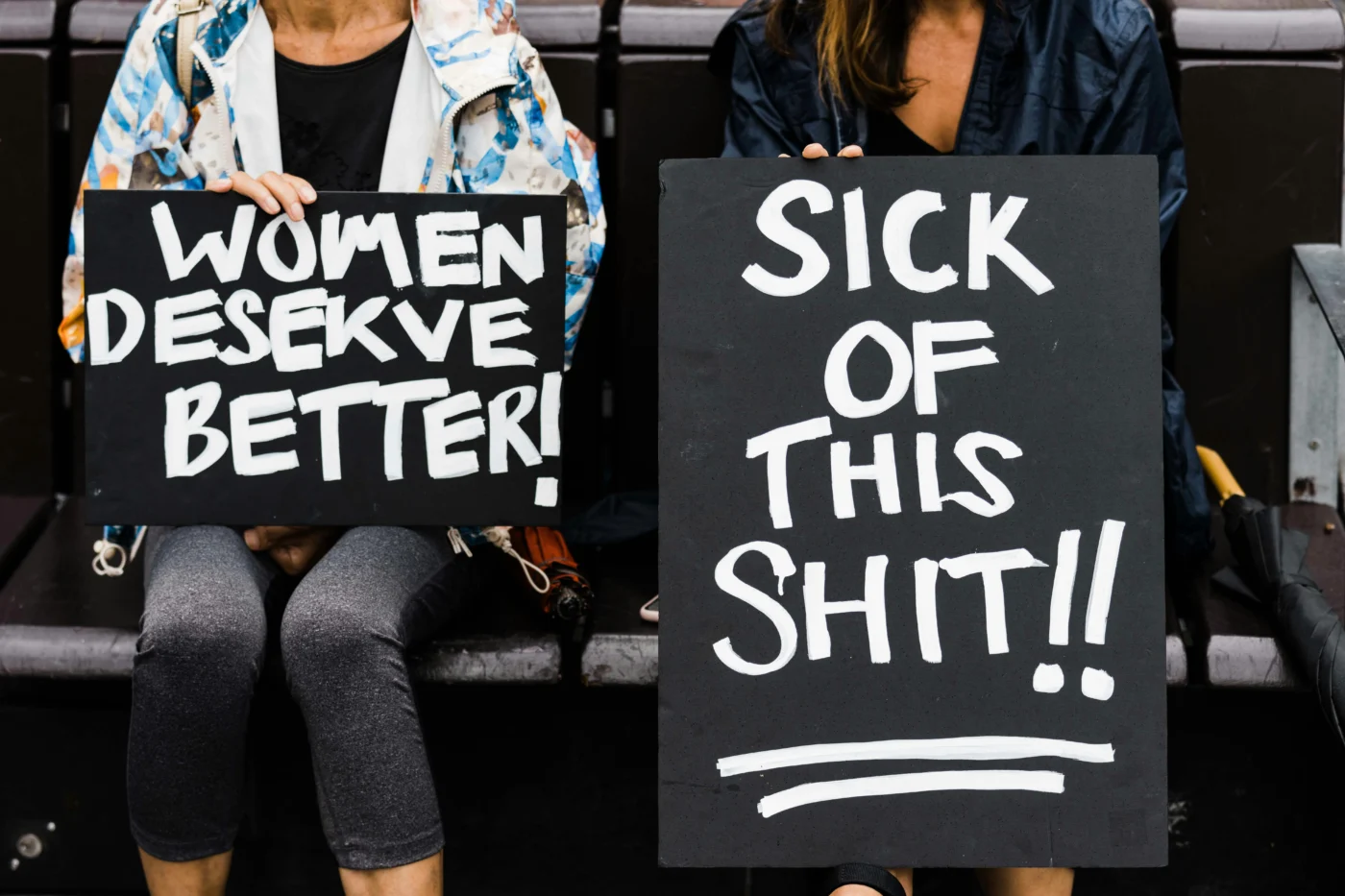
In most political Parties in the UK, men outnumber women, but in the Liberal Democrats the ratio of men to women is particularly bleak, worse even than Reform. Research published in December 2025 makes sobering reading for the Party: 33% of Lib Dem members are female, 39% of Reform members, and women’s membership of other Parties is much higher.1 Obviously our deputy leader and several of our MPs are women, and our one successful candidate in the Welsh Senedd election is a woman.
But this success masks a growing crisis in female involvement in the Party at all levels. The next generation of women candidates is largely missing – of our current PPCs, about 27% are women. And the same could be said for women’s representation at all levels in the Party structure, from committees to WhatsApp groups – most members and overwhelmingly most activists are male.
It’s not that difficult to explain why the Party is apparently becoming unattractive to a lot of women, even after years of concerted effort to encourage, train and mentor them. We can, of course, point to the impact that threatening content on social media has on women, discouraging them from taking an active part in public life. But are there any particular issues with the Lib Dems that are putting women off?
Chauvinism is alive and well
Firstly, we have a somewhat macho approach to local campaigning – if you don’t succeed, it’s your own fault. This probably impacts more significantly on women than on men because women usually carry the bulk of family responsibilities. But in addition, we have developed a series of libertarian policies, such as our policy on prostitution which, if enacted, would benefit some men at the expense of women – ‘sex work is real work’ is a slogan, not evidence and not reasoned debate.
In an extraordinary development, the very concept of sex-based rights is being jettisoned by the Party. Sex-based rights are mostly obeyed by cultural convention – we use the facility or service appropriate to our sex, and until fairly recently there really wasn’t a problem with adhering to such conventions. (Obviously, the more recent attempt to erode sex-based boundaries has been met by legal pushback, with the Supreme Court ruling last year and the EHRC ruling of a few days ago.) There are very good reasons for sex-based boundaries, much of it to do with the safety and wellbeing of women and girls. But Lib Dem policies on trans rights seek to overthrow these cultural and legal boundaries with, frankly, no thought for any possible adverse consequences.
There is no nuance in Party policy, no hint that separate facilities and cultural boundaries are of any significance or importance in safeguarding, be it in sport, prison policy, social care, public facilities, or language (particularly in maternity care). It’s as though sex-based rights and language are of so little relevance and consequence that women must abandon them without a murmur, but at the same time they are so existentially significant that a group of men, self-selected by pure self-ID, must have them, lest they come to harm.
Women’s concerns are shouted down, not engaged with
The culture of a liberal party should uphold thoughtful and respectful freedom of speech, but the Lib Dems have stopped doing that. Instead, an authoritarian streak now routinely bans debate on controversial topics and attempts to enforce compliance with name-calling and shunning. These are nasty little control tactics, mostly practiced on women who step out of line. How many women have left the Party, or alternatively have simply stepped back from activism, because of the impact of a hostile culture?
It would be easy for the Party to blame societal pressures, that affect women in all political parties, for the declining number of women members, activists and potential candidates. But if the Lib Dems want to survive, the Party must reflect on how it is treating its own women.
- T. Bale, P. Webb and S Chrona, ‘Britain’s Party Members’, (Queen Mary College, London, December 2025) https://esrcpartymembersproject.org/wp-content/uploads/2026/01/britains-party-members-bale-et-al.pdf ↩︎