Write for us!
UK political realignment

The Ballot and the Manipulated: Has Democracy Lost Its Way?

·
·
Other than being friends, Dan and I don’t have much in common on paper. He was born into poverty in Liverpool, left school at sixteen, joined the army, protested nukes at Greenham Common, drove taxis, raised a couple of children alone on next to nothing, and arrived at philosophy and anarchism through sheer intellect led bloody-minded curiosity. He’s precisely the kind of intellect that Stalin would have sent to Siberia. Me on the other hand, I came from a middle-class background that turned out to be as fractured as any – a mother who resented me, an early exit from…
The Electorate Fragments. What Does This Mean for the LibDems?
·
·
There has been some soul searching in the party based on recent results. Before getting into that it is clear the electorate has fragmented, and in such a multi-party model the ceiling any party can reach will be lower than before. And the floor will also be lower as alternatives exist. Therefore, as a party, our expectations need to shift. Are our core values persuasive? But it feels like our party has no distinctive vision for change in the country. Our values include: Equality, Democracy, Community, Human Rights, Internationalism, Environmentalism. Many of those can be seen as the status quo,…
When Will the Party Give the Electorate a Reason to Vote for Us?
·
·
Before the party gets too self-congratulatory (i.e. ‘eight years of gains’), a reminder. In the 48 years since the start of the Thatcher era there have been only eight in which the estimated national vote of the LibDems in local council elections has been lower than in 2026 (and that is if we accept the upper estimate of 16% rather than the lower one, 14%, in which case the number of years is four). Two of those years were 1979 (14%) and 1980 (13%). The worst run was between 2012 and 2016 when the estimated proportions of the national polls…

From Blair’s ‘Tough on Crime/Tough on the Causes of Crime’ to Placing Sticking Plasters Over Gaping Wounds Under Starmer — How Britain’s Shoplifting Crackdown Exposes a Justice System Built to Protect Property Over People, and Power Over Accountability
·
·
On Monday, Prime Minister Keir Starmer stood before the USDAW shop workers’ union and declared an end to the shoplifting “free-for-all.” It was the kind of speech that plays well in a headline cycle: tough, purposeful, protective of honest working people against those who “cheat the system.” The government announced stiffer penalties for shoplifters, 3,000 additional neighbourhood police officers, a £5 million specialist intelligence unit targeting retail crime gangs, and a new standalone offence for assaulting a shop worker. The statistics underpinning the announcement were, at best, modest. According to the Office for National Statistics, shoplifting offences fell from 516,611…

The Road not Taken
·
·
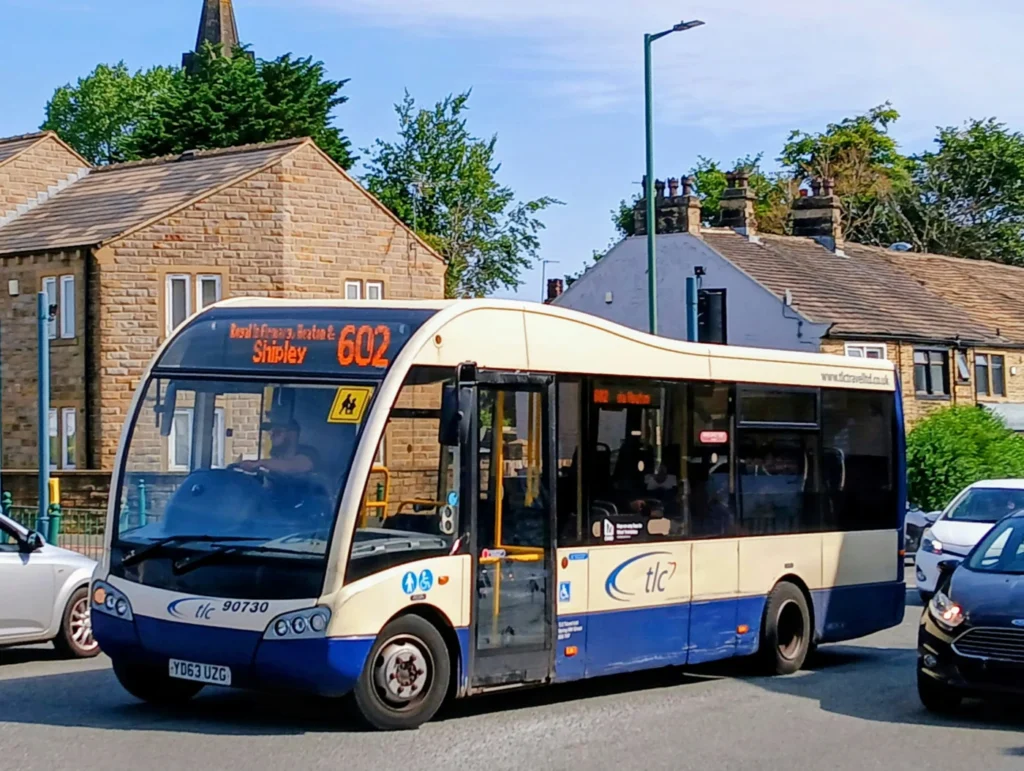
In the autumn of 1986, Margaret Thatcher’s government abolished road service licensing for local bus services outside London (commonly called deregulation). The logic was market orthodoxy: competition would drive down costs, encourage innovation, and serve passengers better than the inefficiencies of public ownership ever had. Almost four decades later, the verdict is in, and it is damning. Bus journeys across England have fallen from 4.6 billion in 2009 to 3.6 billion in 2024. Outside London, bus mileage has collapsed by 29% compared to 2005. In the north of England, the decline is starker still: Transport for the North reports that…
Oil, Empire, and Resistance – A History of Western Interference in Iranian Affairs from 1909 to the current conflict
·
·
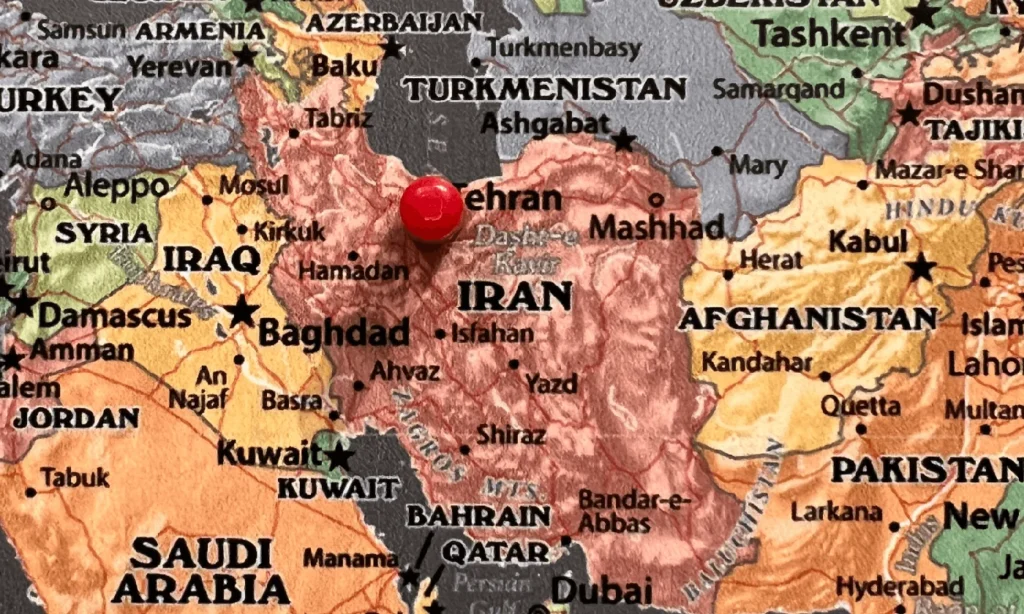
On 26 May 1908, a British drilling crew working for William Knox D’Arcy struck oil at Masjed Soleiman in the foothills of the Zagros Mountains. It was the first major oil discovery in the Middle East, and it would transform Iran’s relationship with the outside world forever. Within a year, the Anglo-Persian Oil Company (APOC) was incorporated, and the machinery of foreign control over one of the world’s most strategically vital nations was set in motion. What followed over the next century was a sustained pattern of British, and later American, interference in Iranian sovereign affairs — a story of…
Eyes right for the centre left
·
·
For well over a century, centre-left politics has been the engine of progressive change in Britain – building the welfare state, championing civil liberties, advancing social equality, and managing the economy with both competence and compassion. Yet today, many who hold these values find themselves politically homeless, watching as the very ground beneath their feet shifts inexorably rightward. The centre has moved. And if you haven’t noticed, you might be standing further right than you think or indeed want. Consider where we are. The Labour Party, once the champion of social democracy, now operate within a narrower fiscal envelope than Gordon…