Write for us!
Westminster politics

Why I No Longer Wear a Poppy

·
·
My father served in the RAF, reaching Senior Warrant Officer level. My brother gave thirty years leaving with the rank of NCO. Between them, they accumulated almost half a century of service to this country. When they needed support in later life, they left with navigating the casework systems of SSAFA and the Royal British Legion, filling in forms, waiting for assessments, proving their need to charity volunteers. This is what the military covenant looks like in practice, for most of those who actually served. I no longer wear a poppy. I want to explain why, because the decision is…
Speaking About Democracy in the House of Lords
·
·
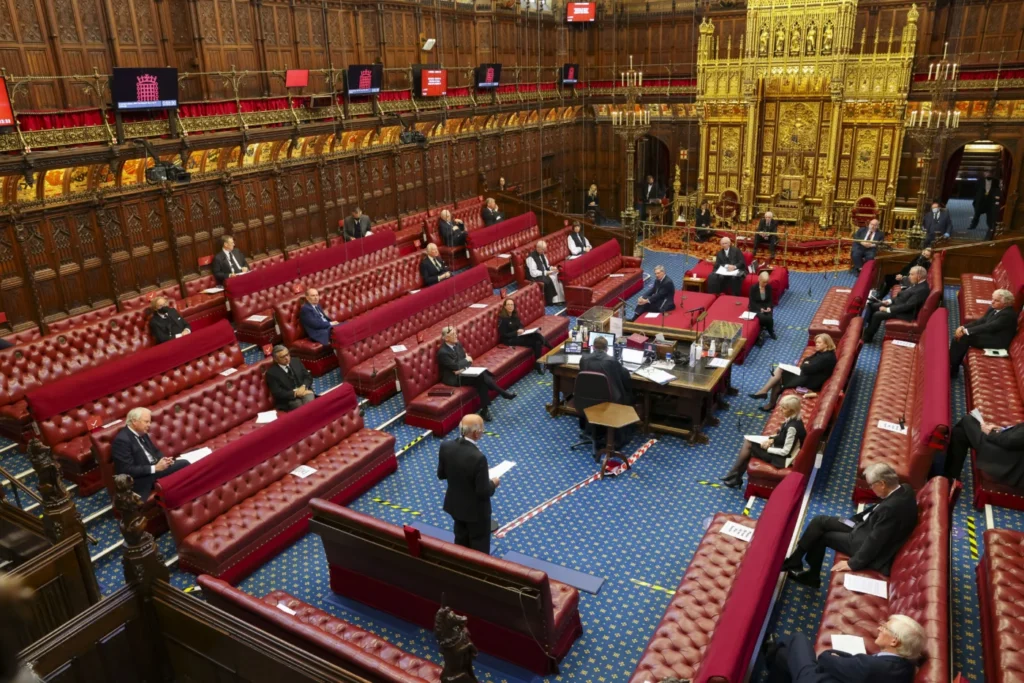
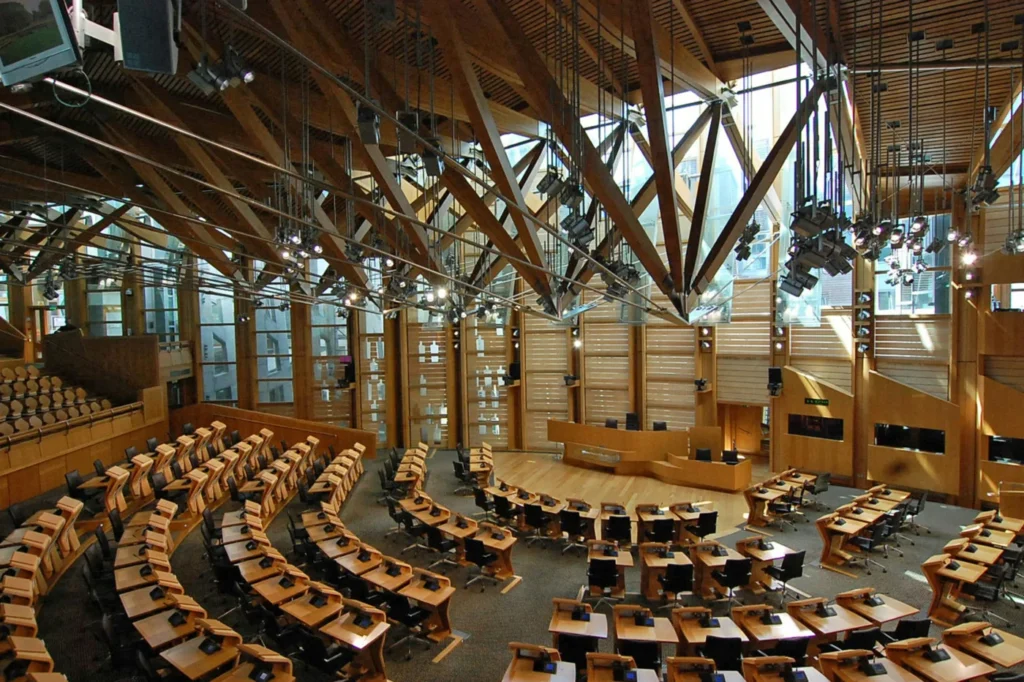
I spoke in the House of Lords on Monday about the irony of raising issues of democracy in what is now an entirely appointed chamber. My expectation when I entered the House in 1999, as a nominee of Paddy Ashdown, was that I would only serve for a few years before contesting elections for membership of the House in the promised, but never delivered, phase two of reform, promised after Tony Blair and Labour won the 1997 general election. Reform has been extremely slow I never thought that it would take 29 years to complete phase one, with the removal…
Proportional Representation Is Back on the Agenda but Which Kind?
·
·
When arguing for proportional representation in a country where voters have become used to first past the post, we hit the problem that voters expect their MP to be a good constituency MP, that is a kind of social worker who will sort out their problems if they’re unfairly treated by the state. Proportional representation can’t happen when you have seats returning one representative. Hence, under proportional representation, voters don’t get a single representative dependent exclusively on their votes – except with Additional Member Proportional, the system used in London and Scotland, they can. In London, the Assembly has 25…

The Death of Local Democracy: How English Planning Reform Is Silencing Communities (and Why Almost Nobody in Power Seems to Mind)
·
·
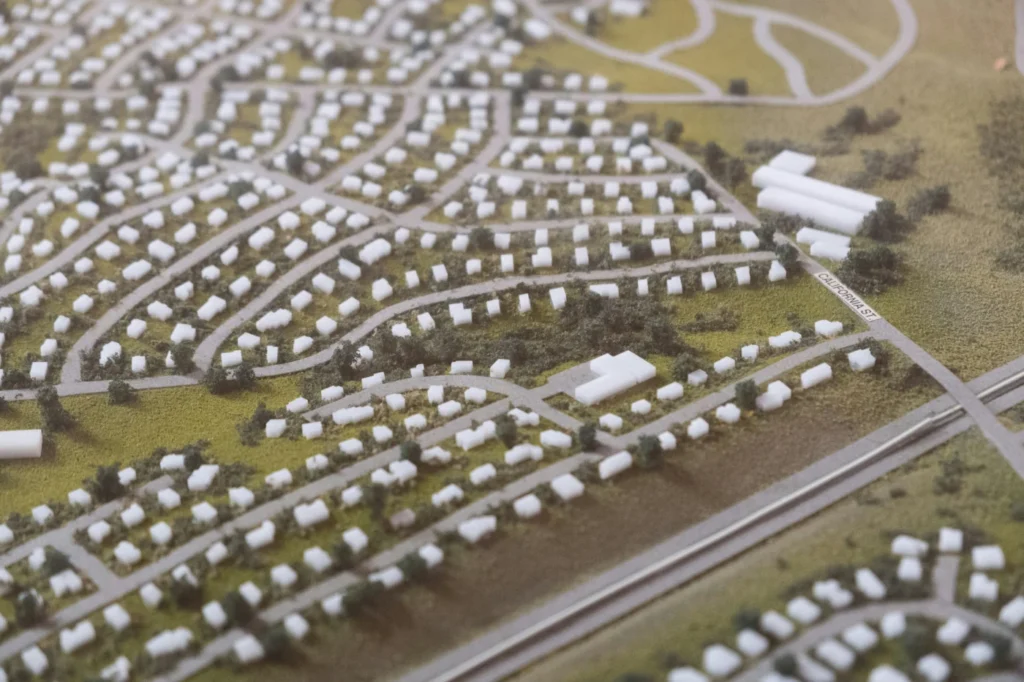
There is a particular kind of political sleight of hand that works best when performed quietly. Not in the dead of night, not through scandal, but through the patient accumulation of technical changes – each one framed as modernisation, each one a little harder to object to than the last, and each one moving power incrementally away from the people who are most affected by decisions and toward those who have the most to gain from making them. The Planning and Infrastructure Act 2025 is one of the most significant examples of this in a generation. It received Royal Assent…
The Electorate Fragments. What Does This Mean for the LibDems?
·
·
There has been some soul searching in the party based on recent results. Before getting into that it is clear the electorate has fragmented, and in such a multi-party model the ceiling any party can reach will be lower than before. And the floor will also be lower as alternatives exist. Therefore, as a party, our expectations need to shift. Are our core values persuasive? But it feels like our party has no distinctive vision for change in the country. Our values include: Equality, Democracy, Community, Human Rights, Internationalism, Environmentalism. Many of those can be seen as the status quo,…
The Scottish Parliament Election
·
·
The recent elections to the Scottish Parliament saw an increase from 4 to 10 Liberal Democrat MSPs at Holyrood, compared to 58 for the SNP, 17 each for Labour and Reform, 15 Greens and 12 Conservatives. Now the sixth largest party in the Scottish Parliament, the Liberal Democrats have fallen from 17 MSPs in the first Parliament in 1999, when they entered a coalition to form the first devolved government with Labour 27 years ago. In the following two elections the Lib Dems only lost one seat. The party has celebrated this recent result as a great success, but what…
A Liberal Approach to Restructuring Local Government in England
·
·
A few years back I was tasked by my party, namely The Liberal Party, in my capacity as chair of the policy sub-committee, to formulate policies for local governance. This was a subject I had not studied before and I soon realised what a fragmented and disjointed system it is. Hence, the need for reform. England has in some places up to four layers of Local Government (Scotland, Wales and Northern Ireland all have one by contrast, namely unitary authorities) but by the same token, England is one of the most centralised states, certainly in Europe if not the OECD.…
The Commissioner Who Lost His Neutrality…
·
·
There is a principle at the heart of British policing so fundamental that it predates the modern democratic state: the constable, whatever their rank, enforces the law impartially and takes no political sides. It is this principle that distinguishes a police service from a political instrument. It is also the principle that Metropolitan Police Commissioner Sir Mark Rowley has, by any honest assessment, repeatedly and seriously compromised. The evidence is not a matter of interpretation. It is a pattern of documented public statements, selective enforcement decisions, and a conspicuous failure to fulfil a clear legal duty, one that sits in…
When Will the Party Give the Electorate a Reason to Vote for Us?
·
·
Before the party gets too self-congratulatory (i.e. ‘eight years of gains’), a reminder. In the 48 years since the start of the Thatcher era there have been only eight in which the estimated national vote of the LibDems in local council elections has been lower than in 2026 (and that is if we accept the upper estimate of 16% rather than the lower one, 14%, in which case the number of years is four). Two of those years were 1979 (14%) and 1980 (13%). The worst run was between 2012 and 2016 when the estimated proportions of the national polls…

The Silence They Cannot Buy: Iran, Antisemitism and the Weaponisation of Fear
·
·
Something has gone badly wrong with British political discourse, and the elections on Thursday will be the first formal reckoning with it. Three threads run through the disorder, and they share a single pattern: a political and media establishment using manufactured crises, convenient attributions, and the deliberate conflation of dissent with hatred to avoid accountability for its own failures. The threads are distinct. The logic connecting them is not. The boy who cried wolf (the wolf being Iran) When a seventeen-year-old lad is found with a petrol can after ambulances have been torched, and when a man with evident and…

From Blair’s ‘Tough on Crime/Tough on the Causes of Crime’ to Placing Sticking Plasters Over Gaping Wounds Under Starmer — How Britain’s Shoplifting Crackdown Exposes a Justice System Built to Protect Property Over People, and Power Over Accountability
·
·
On Monday, Prime Minister Keir Starmer stood before the USDAW shop workers’ union and declared an end to the shoplifting “free-for-all.” It was the kind of speech that plays well in a headline cycle: tough, purposeful, protective of honest working people against those who “cheat the system.” The government announced stiffer penalties for shoplifters, 3,000 additional neighbourhood police officers, a £5 million specialist intelligence unit targeting retail crime gangs, and a new standalone offence for assaulting a shop worker. The statistics underpinning the announcement were, at best, modest. According to the Office for National Statistics, shoplifting offences fell from 516,611…
It’s Time to Clean the Augean Stables
·
·
Natalie Bird was vilified for wearing a T-shirt with a slogan bearing the dictionary definition of ‘woman’. She was banned from standing as a candidate and suspended from the party. She took the party to court and won. John Tilley is the former leader of Kingston Council. He was subjected to an internal party discipline hearing for objecting to a proposal that conference attendees should be required to wear badges stating their preferred pronouns. He wrote that there were more important matters that required our attention. He was sentenced to a ten year ban on holding party office or standing…
What Starmer Knew, and When
·
·
The Mandelson–Epstein connection was public knowledge long before the 2024 election. The question of how the Prime Minister could claim ignorance deserves scrutiny. Keir Starmer’s claim that he was unaware of the depth of Peter Mandelson’s relationship with convicted child sex offender and trafficker Jeffrey Epstein when he appointed him British Ambassador to the United States in December 2024, at best occupies shaky ground. The evidence that Mandelson posed a serious reputational and security risk was not hidden in classified files. Much of it was sitting in plain sight, reported by national broadcasters and newspapers, and filed in open US…

The Glass House Secretary General – George of the Bungle
·
·
George Robertson’s attack on the Starmer government ignores the seeds sown during his own tenure, or the 28-year trend that all parties have followed. When Lord George Robertson of Port Ellen took to the podium in Salisbury earlier this month to deliver the Edward Heath Annual Lecture, he did so with the moral authority of a man who had served as Secretary of State for Defence, who had led NATO for four years, and who had personally authored the current government’s Strategic Defence Review. His language was unsparing. Britain, he declared, was “underprepared, underinsured, under attack and not safe.” The…
Oil, Empire, and Resistance – A History of Western Interference in Iranian Affairs from 1909 to the current conflict
·
·
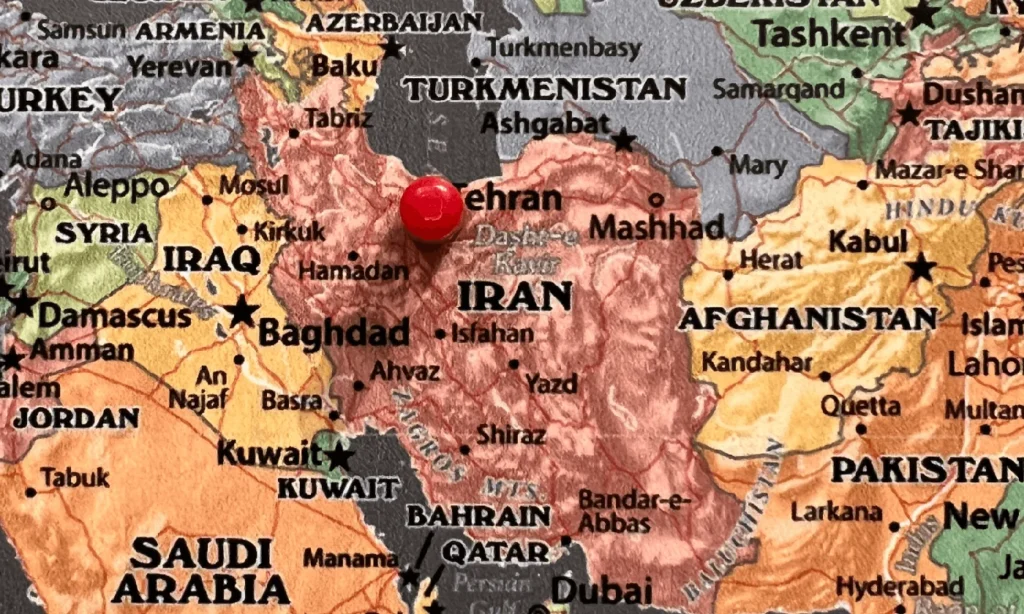
On 26 May 1908, a British drilling crew working for William Knox D’Arcy struck oil at Masjed Soleiman in the foothills of the Zagros Mountains. It was the first major oil discovery in the Middle East, and it would transform Iran’s relationship with the outside world forever. Within a year, the Anglo-Persian Oil Company (APOC) was incorporated, and the machinery of foreign control over one of the world’s most strategically vital nations was set in motion. What followed over the next century was a sustained pattern of British, and later American, interference in Iranian sovereign affairs — a story of…
John Stuart Mill – Do His Values Still Matter to Liberal Democrats?
·
·
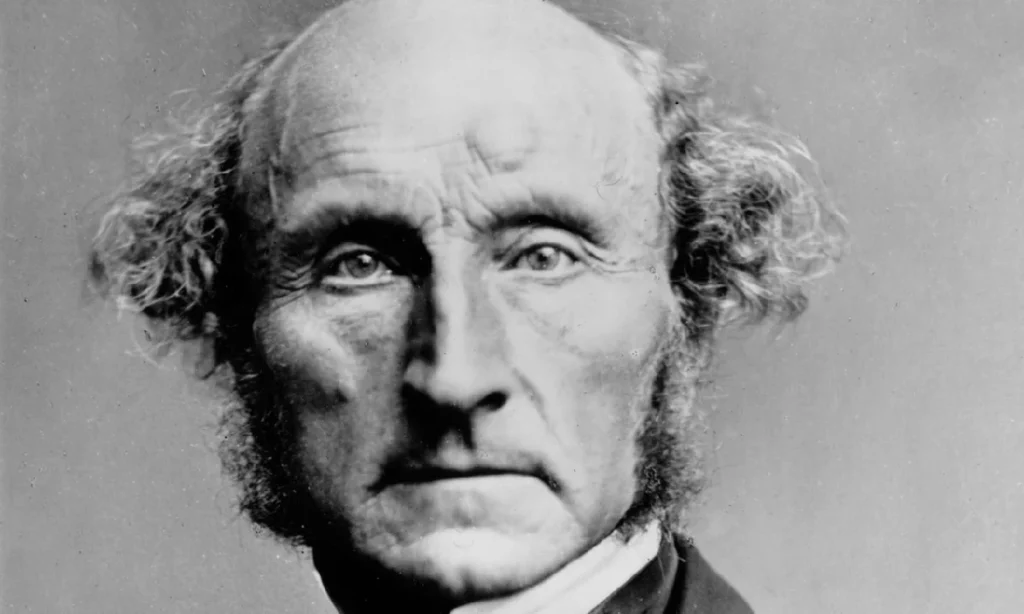
Modern political thought is built on foundations laid down largely in the last 300 years by men like Edmund Burke, Jeremy Bentham, Karl Marx – and for liberals, John Stuart Mill. In 1859 Mill’s seminal work, ‘On Liberty’ was published. It was the culmination of decades of thought and discussion and it is now recognised that the contribution of his wife, Harriet Taylor Mill was crucial to the endeavour. It is likely that she was responsible for sections of the book, though she died before its publication. A political philosophy that centres the individual The core tenet of ‘On Liberty’…
Have the LibDems Been Captured by “Authoritarian Progressivism”?
·
·
In the Lib Dems’ 35 year history, the ideological divisions that have emerged in the party have always, predictably, been along left-right economic fault lines, with Orange Bookers on the right and social democrats on the left. Meanwhile, social issues have been largely understood to be matters of conscience. The thread that knitted individuals together as a party was liberalism – a fundamental commitment to individual freedom tempered by an imperative to avoid harm.
Moving the Overton Window – and the Implications for Women
·
·
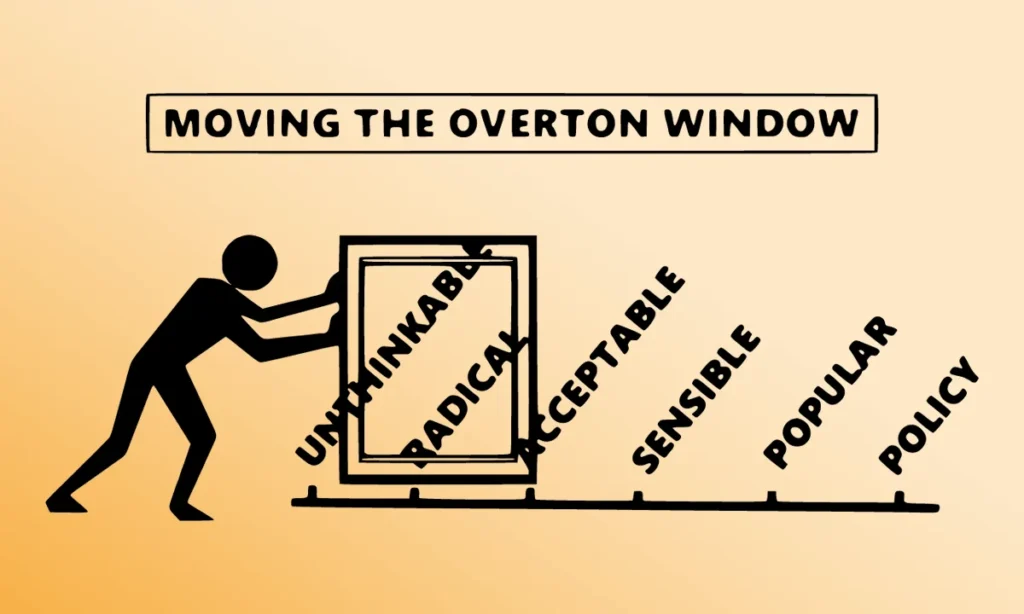
Barbara Lindsay was an inspirational Liberal Party and Liberal Democrat activist who sadly died in 2024. This is her last article. Recent conversations on language have reminded me of the ‘Overton Window’ characteristics of the shifts in the language used by GC (gender critical – believers in biological reality) people. (For anyone not familiar with this, the concept was devised by American policy analyst Joseph Overton.) The width of the window encompasses the breadth of acceptable opinion within a group, or society at large. As its activist members promote an aim and seek to push the majority towards its adoption,…

The LibDems in 2026 – A Progressive Force or a Forgotten Postscript?
·
·
Strange times indeed. The Labour government is imploding with a leader who looks like a dead man walking and recent (January 23rd Politico Poll of Polls) support at 18%. The Conservatives are directionless and leaking influential members, with support equal to Labour at 18%. Reform is out in front on 29%, while the Greens and LibDems are on 14% and 13%, respectively.